"Frozen"
Chris Buck & Jennifer Lee
2013 •
Featured in 1 list •
Score: 35 •
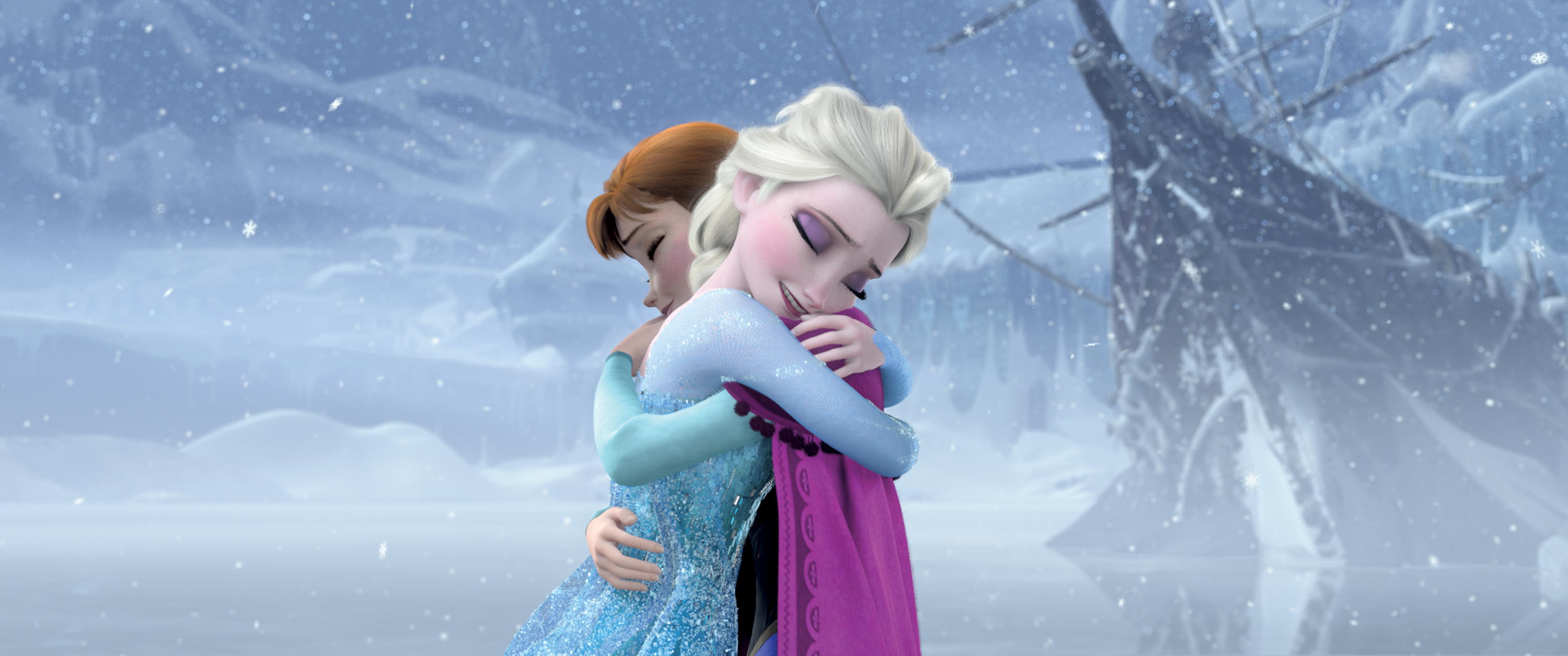
A beautiful story about family love and accepting yourself for who you are.
"The cold never bothered me anyway."
— Rebecca Chadney
As voted by a deeply strange group chat of 50+ people and their friends.
#180 - #131
Rankings on this page
Art and Community have always been two driving forces in my life. It's no wonder perhaps, seeing as I have created online places for people to experience both, and sustained them for over 5 years. Once such a hive mind has been assembled and we move from having one opinion to several, I think the most fascinating question available to us becomes, What is our taste?
. On this beautiful webpage (many thanks to Noah Bergmann for the template and Bailey Ennig for the cover art), I have attempted to answer that question.
Once the New York Times began releasing their "Best Movies of the 21st Century", I knew that I wanted to pose the question to my own circle. Luckily, thanks to our yearly album list extravaganza and Eric Warsaba, I already had a google sheet with the infrastructure to score such a list. Over the course of three weeks (with a non-insignificant amount of social media badgering) this amalgam of opinion took shape. 68 different people's tastes are represented in this list: 18 who are 25 or younger, 33 from the ages of 26-29, and 17 who are 30 and older (including a couple Gen Xers). I especially like the idea of a set time period for this kind of list, since any "Greatest Films of All Time" project would take more legwork and produce less crossover (though I'm sure we will get to that one someday).
I have spent many years of my obsession with film attempting to fill out my knowledge of all that came before me. After all, the 20th century ran through quite a bit of cinema history before I showed up in '97. It feels both very satisfying and uncanny that I am at the age now where my existence spans an entirely new era of art.
My deepest thanks to all our contributors to both the list and this page. There are times in this age of isolation and AI where one can lose hope that art and community will continue on at the same pace as they have in the past. I hold this as an example that people still care, people still want to yell everything they love about their favourite movies at you, people still want to hear how you felt differently about a movie than they did. And that is an encouraging thought. - Will Friesen
Letterboxd versions of this list can be found here
For Aidan, Alastair, Angélique, Bailey, Ben, Brad, Brendan, Brianne, Callum, Chase, Clare, Coal, Dae, Dylan, Eric, Foster, Francis, Fraser, Gavin, Ian, Jackson, Jake, Jayson, Jeremy, Jess, Jude, Jules, Kadee, Kaden, Kai, Karleigh, Kendall, Lancen, Laura, Liam K, Liam M, Lindsay, Lucy, Lukas, Luke, Madi, Manny, Maren, Mike, Miranda, Nathan, Nick, Noah B, Noah M, Oliver, Paul, Peggy, Rebecca, Reilly, Sam F, Sam N, Sam R, Sarah, Shovon, Sophia, Steph, Stephen, Trevor, Wes, Zach A, Zach B, and Zach G.
Chris Buck & Jennifer Lee
2013 •
Featured in 1 list •
Score: 35 •
A beautiful story about family love and accepting yourself for who you are.
"The cold never bothered me anyway."
— Rebecca Chadney
Florian Zeller
2020 •
Featured in 3 lists •
Score: 36 •
Todd Phillips
2009 •
Featured in 3 lists •
Score: 38 •
Ah, Todd Phillips before he decided to try to be edgy. The sequels are atrocious, but this is an all-time comedy.
— Foster Warren
Richard Linklater
2004 •
Featured in 2 lists •
Score: 38 •
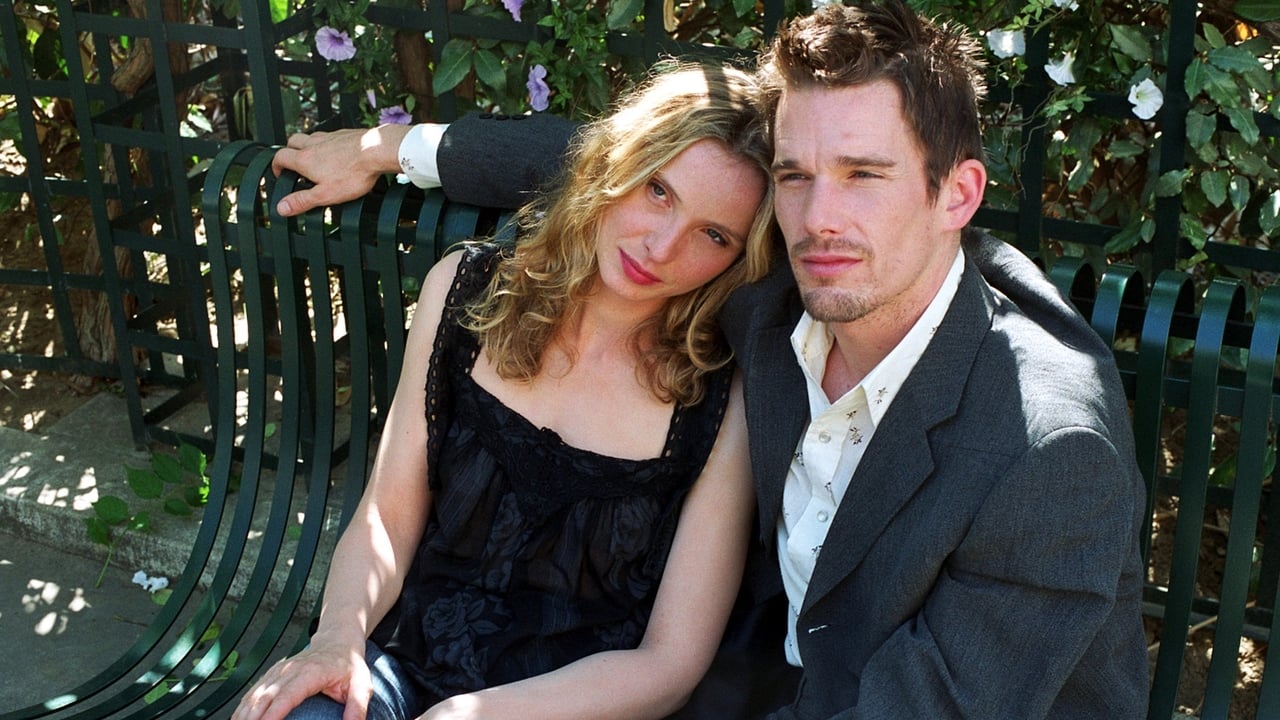
The temporality of people in our lives, no matter if they’re a stranger on the train or someone we’ve known throughout crucial stages of our development, is one of the most difficult things to grasp. Given the contrasts in everyone’s journeys, we never truly get to know those we consider special, and a crucial driving force for what makes life so valuable. What Richard Linklater, Ethan Hawke, and Julie Delpy were able to accomplish in three films developed nine years apart from each other gives viewers closure on the concept of the transience of interpersonal connections, and almost provides a blueprint for how valuable conversations and relationships are formed. Before Sunrise may be most people’s favourite due to its idealistic yet thorough depiction of romance, while Before Midnight may be the preference of some due to its realism, albeit uncomfortably tragic.
For me, the second film in the trilogy, Before Sunset, stands as the best in the trilogy and Linklater’s crowning achievement, as it seemingly strikes a balance between optimism and realism in romantic connection. Jesse and Celine, meeting up after nine years, promised to pick up where they left off in Vienna after a much shorter amount of time. However, they have undergone career changes, failed relationships, and other significant life events in between that period. It almost seems to them that, after all they’ve gone through over the years, the mere fact of them being present with one another again seems unbelievable and undeserved. The nature of the conversations between Jesse and Celine throughout the movie ranges from painful and pessimistic to youthful, playful and optimistic, continuously breaking the idealistic façade in Before Sunrise, and presenting a love for one another that may be unpredictable and distressing, yet ultimately, cathartic and deserved.
Coming from someone who has struggled with opening up to people as I grew up, Before Sunset, in particular, sets a framework for how special connections are formed, and continuously returning to it teaches me the value of honesty, authenticity, and vulnerability in relationships.
— Callum Henderson
Valerie Faris & Jonathan Dayton
2006 •
Featured in 2 lists •
Score: 40 •
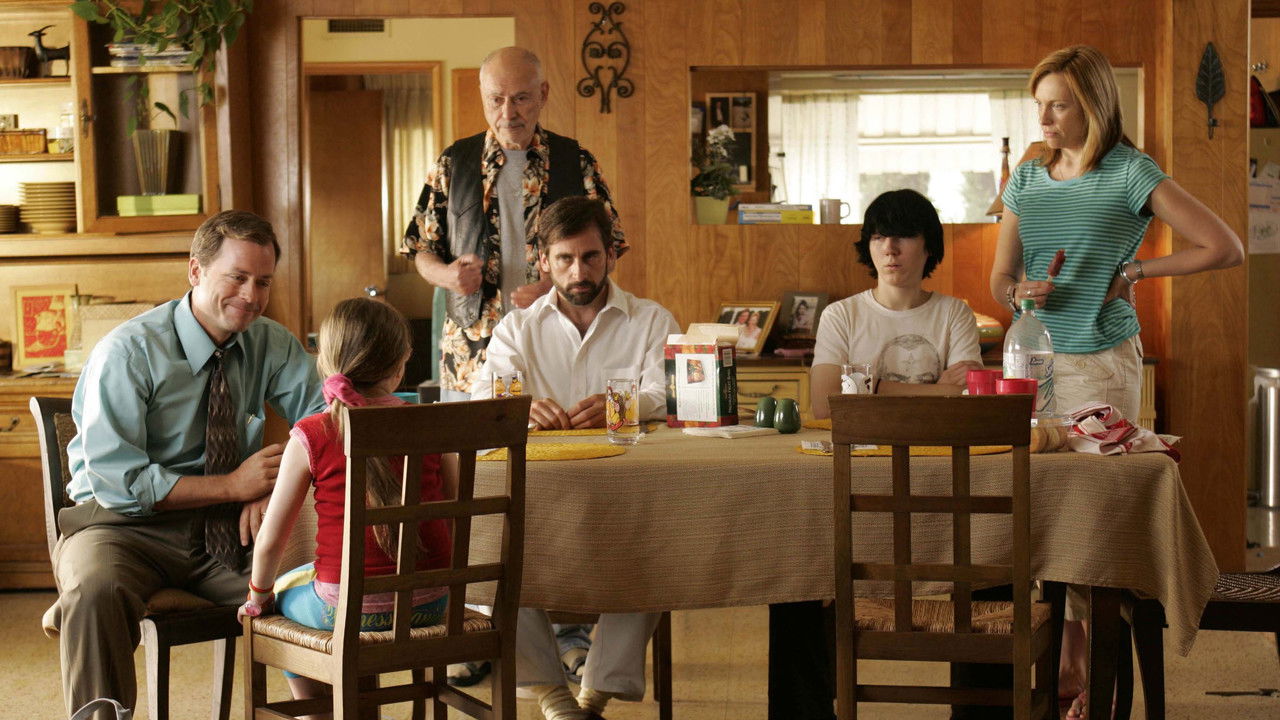
Little Miss Sunshine hits so many of the right notes for me. Chef’s kiss for the soundtrack, casting, writing, and cinematography. Chef’s kiss for that one scene where the brother runs out of the moving van and is comforted by his sister. Chef’s kiss for the commentary on beauty standards. This is the movie we watched in film school for ‘nearly the perfect movie’ with its storyline and characters. And for good reason
— Stephanie Townsend
Greta Gerwig
2023 •
Featured in 3 lists •
Score: 42 •
Jon Favreau
2003 •
Featured in 4 lists •
Score: 43 •
Who knew that syrup went on spaghetti! A go-to Christmas movie that always makes me laugh! A family favorite. Will Ferrell’s buy-in to the character is incredible. “I’m in a store and I’m singing!” I have sung more times than I can remember. Zooey Deschanel’s dulcet tones are a bonus.
— Peggy Friesen
Baz Luhrmann
2001 •
Featured in 3 lists •
Score: 43 •
Kenneth Lonergan
2016 •
Featured in 3 lists •
Score: 43 •
Adam McKay
2015 •
Featured in 4 lists •
Score: 44 •
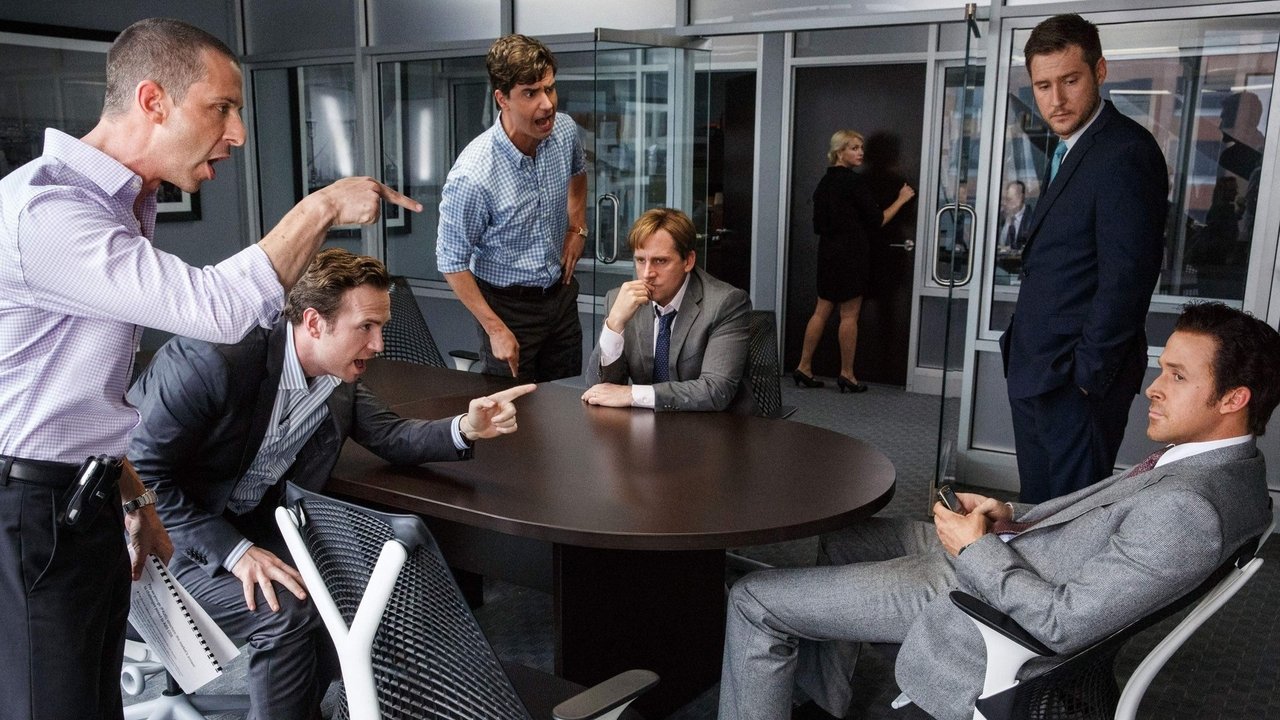
The Big Short is one of my all-time favourite airplane movies – which is to say, if it’s on an airplane and I’ve got time to watch it, I’m watching it. And it’s perfect for a flight: hyperkinetic, great acting, superb writing, and still resonating as much as it did in the 2010s.
— Stephen Johns
Taika Waititi
2016 •
Featured in 3 lists •
Score: 44 •
“…Ricky Baker, Ricky Baker, Happy Birthday! Once rejected, now accepted. By me and Hector, a trifecta….”
Family is not always blood!
— Peggy Friesen
Gary Ross
2012 •
Featured in 3 lists •
Score: 45 •
Lee Chang-dong
2018 •
Featured in 2 lists •
Score: 46 •
Karyn Kusama
2009 •
Featured in 3 lists •
Score: 47 •
Christopher Guest
2000 •
Featured in 2 lists •
Score: 47 •
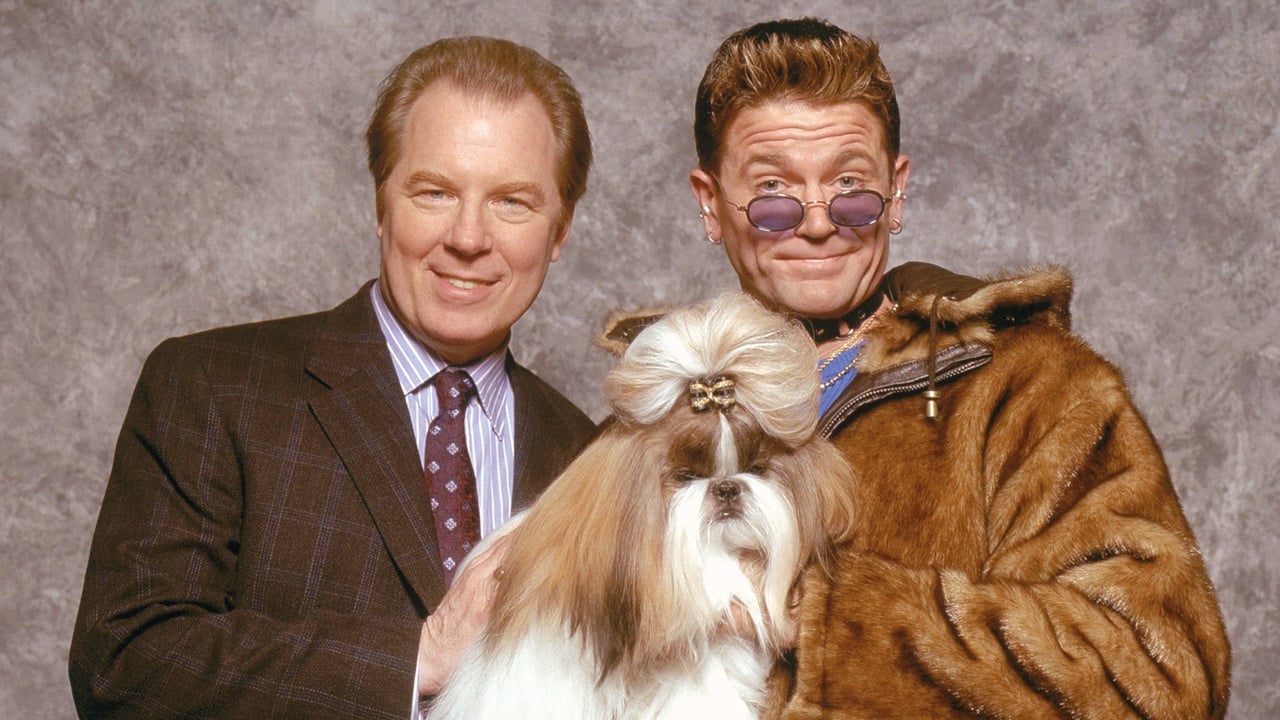
Hell is other people, and their adorable dogs. Mostly improvised with a stacked cast of comedy legends, Best In Show crafts a showcase of weird dog people that you’d hate to be trapped in a conversation with but also can’t help but stare at.
— Fraser Hamilton
Jonathan Glazer
2023 •
Featured in 4 lists •
Score: 48 •
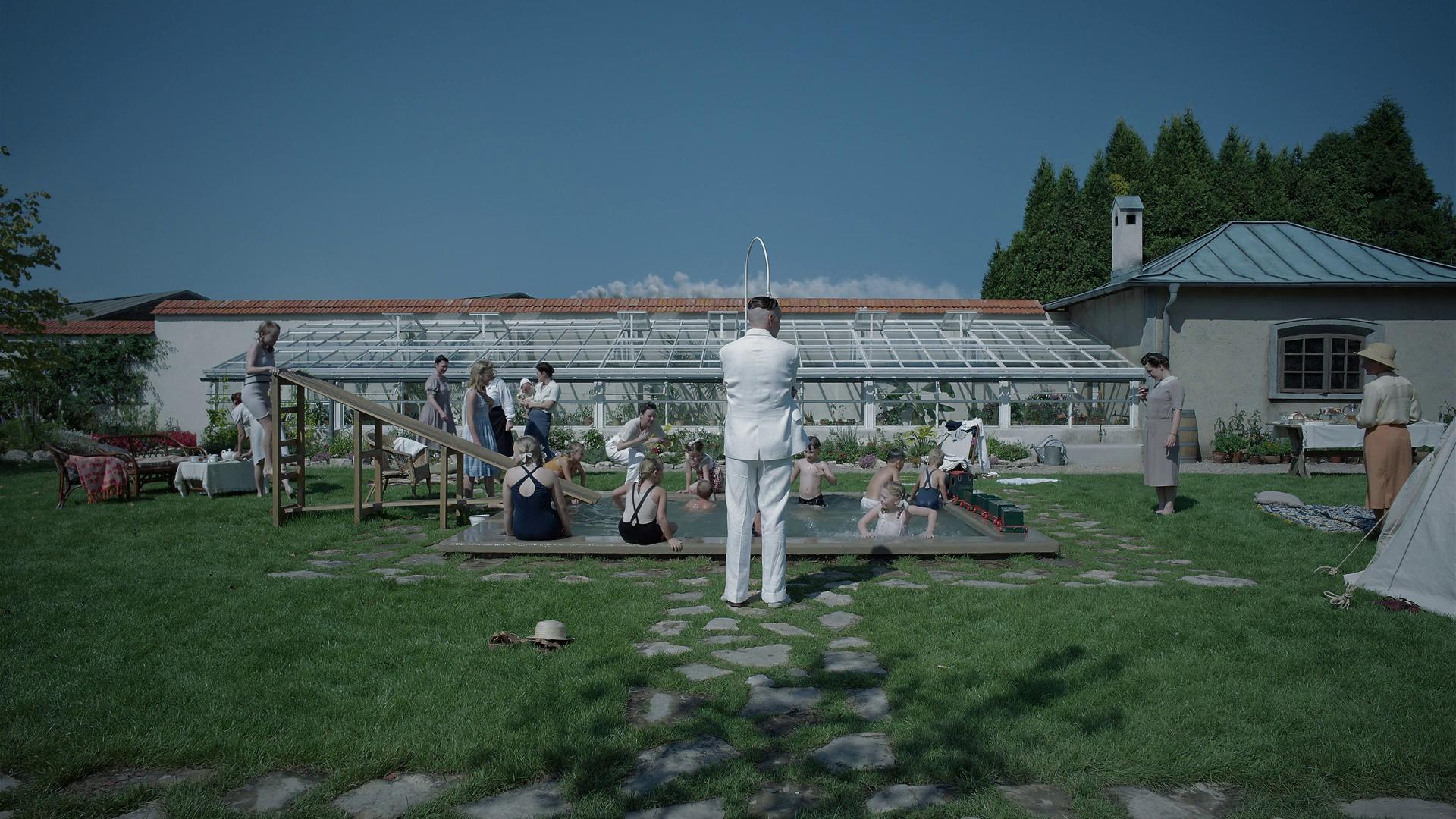
Discussing the idea of the banality of evil as it pertains to The Zone of Interest has become, well... banal. The film makes no secret of its central thesis; from the onset we are inundated with the mundanity of the Höss family’s daily lives while an entirely different story plays out in the periphery, in the perpetual dread hum of the crematorium incinerator, the plumes of smoke staining the skies above them, and the faint cries and sporadic gunfire buried beneath their asinine conversations. Their apathy toward the atrocities they are surrounded by and complicit in is borne not from any coherent ideological principles, but from a disturbingly quotidian thoughtlessness that facilitates the normalization of such horrors — they are the very image of banal evil as written about by Hannah Arendt in her formulation of the concept.
The film's most impactful moments are those wherein the veil of mundanity is ruptured and the façade of banality can no longer be sustained, when reality violently enters the dream and the unheimlich infiltrates the home. The illusion of normalcy is necessary in order for the Höss family to avoid confronting the overwhelming and incomprehensible nature of the evils they are implicated in. Their awareness of this evil is something they must swallow and bury deep within the recesses of their minds or else heave up like a wretched mass of bile, yet it is ever-present, like the ashes of the dead that suffocate their lungs, fertilize the flowers in their garden, and drift downstream to disturb their idyllic afternoon swim. Awareness flickers at the surface of their solipsistic existence in several instances, most notably in a few scenes where it threatens to overwhelm the film entirely with a gradual fade to a white/red/black screen accompanied by the haunting drones of Mica Levi's score, as if even the camera's ostensibly dispassionate gaze has been forced to look away. These moments are perhaps director Jonathan Glazer's most prudent refutations for detractors who accuse the film of having nothing to say beyond its initial premise, or for being too one-note in its delivery.
But the most powerful moment in the entire film is undoubtedly its final scene. Descending the empty stairwell of his Berlin office, we see Höss pause and retch repeatedly, struggling to rid himself of something within him that refuses to leave. Continuing further down, he stops again, staring into the yawning abyss of the void-like corridors, his attention apparently captured by something off-screen. He stares into the camera. Cut to black. Light spills into the darkness as a door is opened and we find ourselves transported to the present day Auschwitz-Birkenau Museum. For the next few minutes, we watch as the museum janitors silently set about their daily tasks, vacuuming the floors and wiping down various surfaces. The camera silently observes, panning across displays of the clothing and personal effects taken from the victims who were brought to the camp to be killed. The sheer number of items is sickening. We cut back to Höss, his gaze still turned upon the audience watching him from beyond the screen
In the established conventions of cinematic storytelling, this can be viewed as an extended shot/reverse shot — we see a shot of a character looking at something, and the subsequent shot reveals what it is they are looking at. Yet we know it is impossible for Höss to have seen into the future, to witness what we have in any logical sense. What is it then that gives him pause, forcing him to stop in his tracks and stare into the abyss? Is it guilt or shame? A disquieting premonition? An emergent sense of remorse or dawning awareness for the scope of the tragedy his actions will be responsible for, the bloody stain upon history that will be his only legacy? Neither he nor the film proffer an answer. Turning away from the audience, he continues his descent down the seemingly endless staircase into the umbral depths below.
— Francis Ramis
Doug Liman
2002 •
Featured in 2 lists •
Score: 48 •
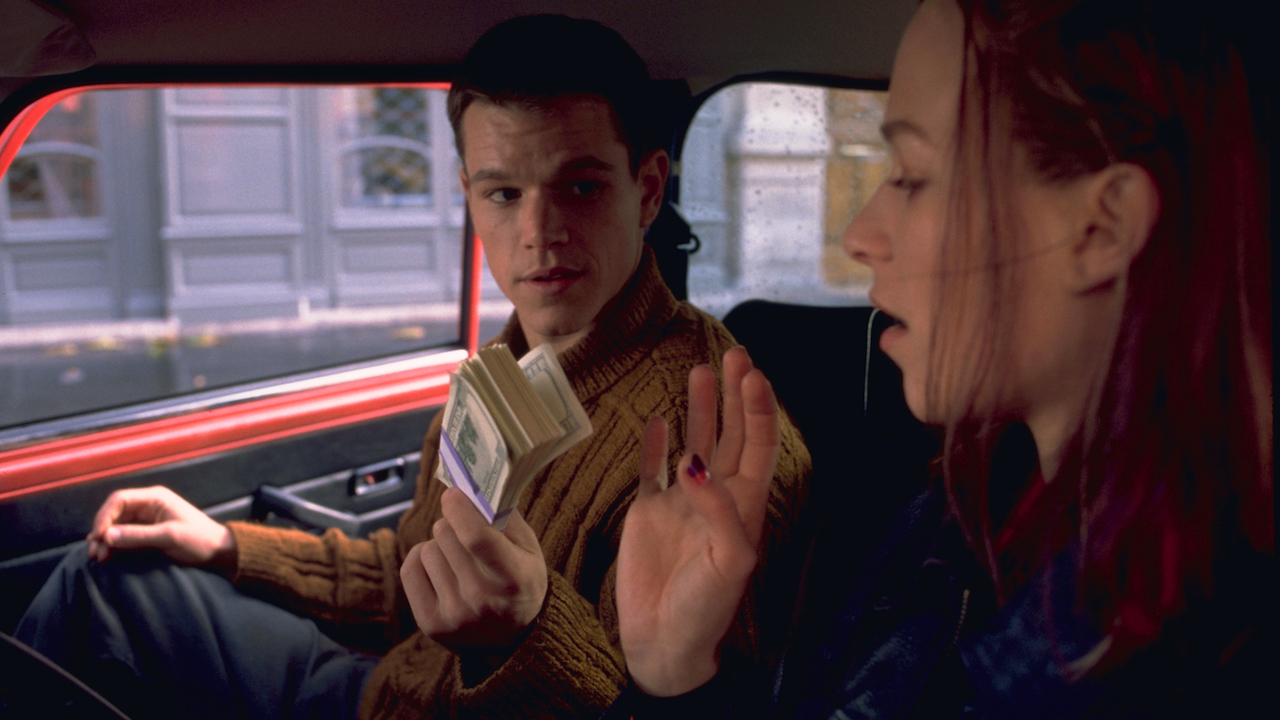
Imagine being out at sea and noticing a body floating in the water. You hurry the boat to retrieve it but find that the man is still alive. But when he awakens, he has no memory of his past life. This is the story of Jason Bourne’s journey across Europe to find out who he is. And as he travels he discovers the impossible truth of who he was and who’s trying to kill him!
I love how this movie withholds information to the viewer. It allows the mystery of Bourne’s identity to go through several unexpected twists and setbacks without the audience sitting there and waiting for him to put the pieces together himself. We are along for the ride in every way with very few breaks from his perspective during the duration of the film. I also like the action sequences sprinkled thoughout, they are well done in the sense that they aren’t over the top or campy, but rather, elevate the tension of the scenes they’re placed in.
I also want to add that I love the way this movie fades to black into the credits with the song “Extreme Ways” by Moby (If you’ve never heard it you should check it out!). If I ever get the privilege of producing a film, this is how it would end! The song signifies a mood of unfinished business, or a wrong left un-righted. Just the way I want a suspenseful movie to end… to leave me in suspense for the sequel! (that’s The Bourne Supremacy, 2004)
If you are a fan of the action thriller drama, I can’t recommend this film enough! And if you like this movie, I would recommend a similar action thriller starring Matt Damon called “The Adjustment Bureau” (2011).
— Zach Boos
Destin Daniel Cretton
2013 •
Featured in 2 lists •
Score: 49 •
Felix Van Groeningen
2018 •
Featured in 2 lists •
Score: 49 •
Yorgos Lanthimos
2018 •
Featured in 3 lists •
Score: 50 •
Yorgos Lanthimos’ The Favourite finds Olivia Colman’s Queen Anne at the center of a war fought in whispers, bedchambers, and elaborate wigs. What makes this film so electrifying is its queerness–presented not as subtext, but as the driving force of the narrative. The relationships between Anne, Sarah (Rachel Weisz), and Abigail (Emma Stone) are messy, erotic, and deeply powerful, blurring the line between intimacy and political strategy. Whether or not Queen Anne’s real relationships were romantic (many historians have long hypothesized her queerness), Lanthimos uses this speculation to show how desire has always shaped power. By queering the royal court, The Favourite doesn’t just retell history: it reframes it. The Favourite is a period piece that feels subversively modern, filthy, and utterly hysterical.
— Chase Thomson
Jared Hess
2004 •
Featured in 5 lists •
Score: 53 •
This film is ICONIC. The characters, dialogue, costumes, soundtrack, colour palette, and the one of a kind intro credit sequence are all burnt into my memory. I think this meandering style of quirky comedy follows in the footsteps of classics like The Big Lebowski; it’s unconventional, random, and at times just downright strange. Like its central theme, this movie doesn’t pander to all audiences and is unapologetically its true self in style, presentation, and pacing. Truly one of a kind. The dance sequence is an undeniable highlight but I think I’d write out the whole movie if asked which scene is the best.
Vote for Pedro!
— Noah McIntosh
Spike Jonze
2013 •
Featured in 3 lists •
Score: 53 •
What I love most about movies is what they don’t tell me. I love trying to figure out little details and hidden clues in the visual aspects of film and cinematographer Hoyte van Hoytema allows me to go on a full-on scavenger hunt. The world around Theodore is bland, boring and beige, but the colour red punches through the beige to give him that hope he has lost. His shirt, the operating system, his lamp, the office. The red only pops up when he wants it to. The walls, the shower, his shirt, his office. The beige consumes him when he gives up. It's classic. Despite being depicted in a not-so-distant future of AI advancements and robot connections, Spike Jonze is able to capture the absolute rock bottom of despair and hopelessness in finding love. Divorce, cheating, loneliness, Joaquin’s striking blue-eyed stare, they’re all things that threaten us. We have to learn to accept them and get through them one step at a time.
— Dae-Lillee Baillie
Emma Seligman
2023 •
Featured in 2 lists •
Score: 53 •
Rachel Sennott and Emma Seligman nail the absurdity of the queer highschool experience in this comedy. Every detail in Bottoms is just over the top and ridiculous and thats what makes it so fun to watch. Just when you think the movie is about to take itself seriously and get heartfelt, the gays are slaughtering football players during homecoming. This movie truly makes me laugh out loud.
— Jess Vinton
John Lasseter
2006 •
Featured in 3 lists •
Score: 54 •
Radiator Springs: the town you never knew you wanted to visit, but after watching Cars, you’d happily trade your left lug nut to drive “low ‘n’ slow” down Route 66. I don’t know what it is about this particular Disney movie, but it’s just so good. It might be the scenery, the soundtrack, the animation, or the lovable and charming characters… no matter what it is, I love it.
— Laura Kievit
Joel Coen
2000 •
Featured in 3 lists •
Score: 55 •
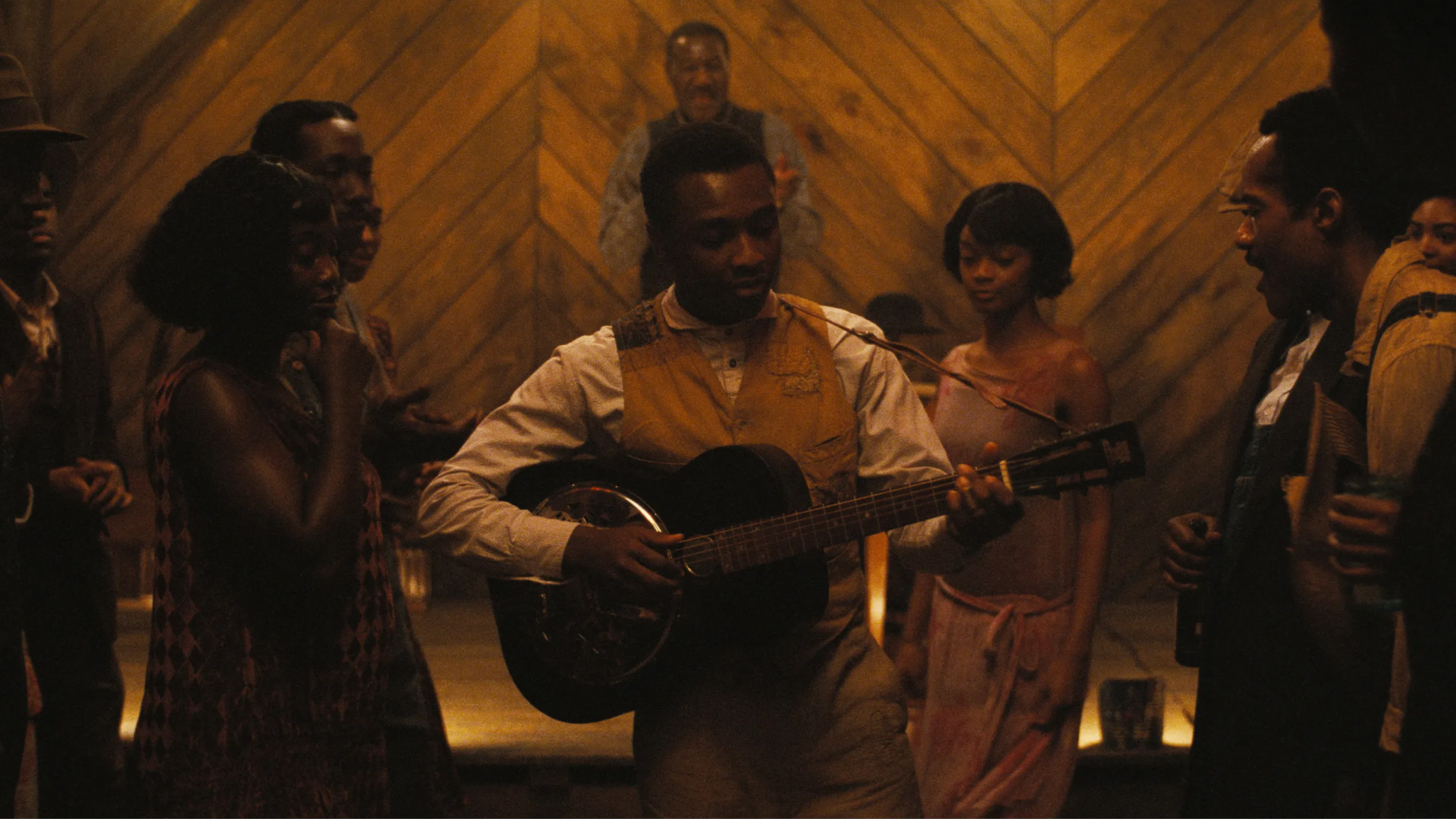
Only the Coens could so deftly blend Greek mythology and Americana. Loosely based on Homer’s The Odyssey, O Brother, Where Art Thou? uses the framework of the epic poem to create this wonderful great depression era road movie wherein three jailbirds (George Clooney, John Turturro, Tim Blake Nelson) on the lam try to return home in order to find buried treasure. On the way, they encounter blind record producers, Robert Johnson, a cyclops, some ‘sy-reens’ (sic), and the KKK, all while being chased by the devil himself.
The backbone of the film (and its greatest strength) is the soundtrack produced by T-Bone Burnett, which, much like the film, perfectly blends the modern with the historical in its choice of folk, bluegrass, gospel, and country music, leading it to winning the Album of the Year Grammy that year. It may not be a perfect film, but much like the rest of the Coens catalogue, when you and the film are on the same wavelength, there is no other experience like it.
— Zach Angel
Yorgos Lanthimos
2023 •
Featured in 2 lists •
Score: 55 •
Poor Things is like if you took a jammy soft-boiled duck egg, wrapped it in capicola and seaweed, dredged it in cornstarch and a malt liquor batter, fried it in the liquified fat of an oligarch, and served it on a plate carved from Mary Shelley's pelvis garnished with parsley, paprika, and Benadryl. What more do you want from me?
— Lancen Davis Harms
Garry Marshall
2004 •
Featured in 3 lists •
Score: 56 •
A peak comfort movie. I watched this over and over growing up and I watch it regularly now. I can literally quote this whole movie. Julie Andrews, iconic. Anne Hathaway and Chris Pine, iconic. It’s just perfect early 2000’s.
“Miracles happen once in a while, if you believe.”
— Kendall Bergmann
Tommy O'Haver
2004 •
Featured in 3 lists •
Score: 58 •
Garry Marshall
2001 •
Featured in 2 lists •
Score: 58 •
A foot-popping, heartfelt, and all-around pleasant movie that is (mostly) relatable, as “you know, most kids hope for a car on their 16th birthday, not a country!” It makes me want to be friends with Mia and long for a reality where Clarisse Renaldi is my grandmother. “Princess, look out the window... and welcome to Genovia.” I could watch this movie any day, any time, and for any occasion.
— Laura Kievit
Wes Anderson
2012 •
Featured in 4 lists •
Score: 59 •
I don’t have a super deep or profound reason for loving Moonrise Kingdom — I just do. It was the first Wes Anderson film I ever watched, and that makes it really special to me. I love the aesthetic, the story, and the entire vibe of the film. It’s just really nice.
— Karleigh Martin
Jane Schoenbrun
2024 •
Featured in 2 lists •
Score: 59 •
Spoilers? Maybe? This movie is so incredibly beautiful in its visuals and soundtrack and yet so profoundly heartbreaking. This is the most I’ve wept due to a film in years. To find myself identifying with someone who refuses to see themselves and to move forward is terrifying and jarring. I am queer and the lengths it took me to own that identity with the mentality I carried from being raised in the church was so incredibly difficult but I’m so glad for where and who I am. To watch someone so scared and lonely and stuck and yearning for love and acceptance and belonging is such a vivid mirror to anyone who has felt Othered in search for community. To feel so distressed and stuck is so horrifying but don’t worry…
There is still time
— Sophia Friesen
Edgar Wright
2017 •
Featured in 5 lists •
Score: 60 •
Baby Driver is a chewy, sugary, loveletter to fast cars, bank heists, and old iPods. The movie itself dances to the groovy soundtrack while the cinematography has that eye-popping, almost animated quality you can always count on Edgar Wright to deliver. The story isn't anything groundbreaking, but it's self aware enough to wear its tropes on its rolled up white tee sleeves; this allows the audience to lean into the corniness of the quips and the quiffs without rolling one's eyes (too often). It's like Grease meets GTA. With a devilish rogue's gallery, a charming little romance, and enough diner scenes to make David Lynch blush, Baby Driver truly deserves to be taken for a spin around the block. A few times. At least.
— Lancen Davis Harms
Andrew Stanton
2003 •
Featured in 4 lists •
Score: 60 •
It's incredible how BIG this movie looked and felt with 2003 animation. Pixar was really cooking! Unbelievably iconic.
— Mahmudur Rahman Shovon
Martin McDonagh
2008 •
Featured in 3 lists •
Score: 60 •
This movie is sharp, hilarious, and unexpectedly moving, all while doubling as the best tourism ad Bruges never asked for. I love traveling to Bruges, and every time I rewatch this film, I feel like I am already back there, wandering the cobblestone streets and ducking into every museum Colin Farrell would have hated. It is great when a movie can place you back in a place you love, all from the confines of your couch. I can taste the fries and waffles. The writing is flawless. “You are in a dream. You are in a dream in a place like this.” Colin Farrell and Brendan Gleeson are magic together, and Ralph Fiennes is chaos in a tie. The ending sticks, the pacing is perfect, and the whole thing leaves me wanting one more bite and one more night in Belgium.
— Mike Campbell
Hu Bo
2018 •
Featured in 2 lists •
Score: 61 •
Richard Curtis
2013 •
Featured in 4 lists •
Score: 62 •
We had a movie poster in our rec room that Will had brought home from the theatre of this one – I hadn’t seen it in the theatre but when it came up on streaming, decided to check it out – and watched it multiple times. If you’ve read my review of Frequency, you’ll know I’m a sucker for crossing the line from the living to the lost. The fantasy of opportunity to connect with those taken from us too soon is hard to resist. To say what you always wanted to say… Domhnall Gleeson and Bill Nighy as the Son/Father combo give just the right mix of tragic awkwardness and crude complacency. Add in the beauty and grace of Rachel McAdams and the mix is complete. A classic for me.
— Peggy Friesen
Kelly Asbury & Lorna Cook
2002 •
Featured in 3 lists •
Score: 62 •
Alfonso Gomez-Rejon
2015 •
Featured in 3 lists •
Score: 62 •
Chat GPT pls write a coming-of-age movie but pls for the love of God make it original. Combine The Fault in Our Stars with The Kings of Summer with Submarine. Have it be a love story but also like not really at all. Maybe Brian Eno does the soundtrack IDK. Write that the protagonist loves filmmaking and then have the movie itself look like it was made by him. And finally, make sure when someone watches they feel transported back to their high school grad year, but this time they understand what it means to be a true friend, follow their dreams, and choose what’s right over what’s easy.
— Stephanie Townsend
Sam Mendes
2019 •
Featured in 5 lists •
Score: 63 •
1917 is among the most honest of war movies. It shows the scale and impact of WW1 through an ongoing series of moments between characters. The film is a character study more than it is an action movie. It unpacks themes centered around brotherhood, comradery, grief, and longing. Throughout the film, the camera acts as a silent protagonist traveling with our characters from start to finish. This allows us to participate in the struggles, but through the looking glass. 1917 is shot with the illusion that it is one continuous take. We are there the whole time from the opening in Northern France sitting under a tree to the conclusion elsewhere in France. The camera gives space to show the scale and depth of the war-torn landscape and punches in during the emotional beats letting us see how the characters are processing the trauma of war. As viewers, we are in the trenches and are meant to feel all the same things the soldiers on screen do. I empathize with the struggles, get excited with the moments of success, and grieve during the tragedy. All because I have been on the journey the whole time and saw how we got there and what was lost along the way. 1917 is a tour through WW1 and does not hide away from the emotional, mental, and physical toils the war took all the while showing the humanity of the characters trying to find their way home.
— Bailey Ennig
Park Chan-wook
2016 •
Featured in 3 lists •
Score: 63 •
The Handmaiden really took me for a ride the first time I watched it. What you first think is a typical period piece lesbian romance turns out to be so much more. The twists and turns and multi-perspective story telling really keeps you on your toes, while providing an insightful commentary on the fetishization of young “innocent” women. It’s a disturbing but loveable pyschological thriller that you can’t take your eyes off once you start watching.
— Jess Vinton
Rian Johnson
2019 •
Featured in 6 lists •
Score: 64 •
Luca Guadagnino
2024 •
Featured in 5 lists •
Score: 64 •
Smart, sexy, sweaty – Challengers is not just about tennis, it is tennis. With a techno club soundtrack that sets your heart racing and cinematography that draws you in from your seat, it’s a full sensory experience that takes you straight into the game of tennis – and the game of love.
— Kadee Sirak
Robert Luketic
2001 •
Featured in 4 lists •
Score: 64 •
I dare anyone not to think of Elle Woods as a feminist role model. She's intelligent but empathetic. Approachable but not easily pushed over. Hard-working but stops to appreciate the little victories in life. She's full of integrity. She gives voice to those who can't speak up for themselves. She knows her own worth. She finds personal and professional success in the balance between her stodgy, serious profession and her vibrant personality.
Elle, and Legally Blonde, has been there for every major milestone of my career as a litigator so far. I think this film should be essential viewing for every new lawyer.
— Lucy Yuan
Marc Webb
2009 •
Featured in 3 lists •
Score: 64 •
Unfortunately shaped my view on love during very formative years but how I feel about this movie after each rewatch (25+ and counting) has been an effective assessment of how I'm feeling at any point in time and how much I've grown. Oh, and one of the best movie soundtracks ever.
— Mahmudur Rahman Shovon
Denis Villeneuve
2021 •
Featured in 5 lists •
Score: 66 •
Darren Aronofsky
2010 •
Featured in 4 lists •
Score: 66 •
Jon M. Chu
2024 •
Featured in 4 lists •
Score: 67 •
Adam McKay
2008 •
Featured in 4 lists •
Score: 67 •
This movie came out when I was 10 years old and it was the funniest shit I’d ever seen. I’m now 27 years old and it’s still probably the funniest shit I’ve ever seen.
— Foster Warren
Edward Yang
2000 •
Featured in 3 lists •
Score: 67 •
Famously bookended by a wedding and a funeral, Edward Yang's final masterpiece is a sweeping and novelistic meditation on the cycle of life and the pathos of things, amalgamating the recurrent themes and motifs of the auteur's filmography into a vibrant tapestry of the sorrows and joys of a middle-class Taiwanese family navigating the complexities of a society at the intersection of modernity and tradition. Across three generations of this family we witness their shared dreams, struggles, and heartaches, and observe the ways in which a child is doomed to repeat their parents' mistakes, but also the ways in which they are inextricably and beautifully interlinked — the intergenerational experience is treated here not as a succession of events and experiences toppling into one another, but a handshake across time and space, a wistful recollection of a past that simultaneously reinvents itself in the present.
Still, there is an aching loneliness at the center of Yi Yi's patient narrative — characters are frequently framed in isolation, or separated by the mise en scène within a single shot; they have difficulty confronting their emotions before they reach a breaking point; they all have their own place in the world, yet that place seems to be nowhere at all. Yang artfully dangles these characters before his audience like loose threads yearning for a greater cohesion and reveals how they can be woven together, bonded not just by a familial fabric or a cultural DNA, but the shared condition known as humanity.
— Francis Ramis
Josh Cooley
2024 •
Featured in 3 lists •
Score: 67 •
The original Transformers wasn't just a movie. It was a full blown adolescent fantasy brought to life. Forget Oscars. Forget plot. This film delivered everything a mid-pubescent boy could ever want: alien-robots, overly exaggerated slow motion explosions, cars turning into cannon wielding death machines... and Megan freaking Fox, glistening in the California sun, bent over a yellow Camaro like she was sent from the heavens. That scene alone was a spiritual experience.
Yes, Optimus Prime gave speeches with Linkin Park playing epic music in the background. And yes, there was technically a plot. But let's not lie to ourselves. We were there for the chaos, the explosions, the CGI transforming sequences, and the Goddess Megan Fox in cutoff jeans and a tank top tighter than my jeans after she leaned over that engine. Transformers didn't just stimulate. It awakened.
— Kai Halvorson