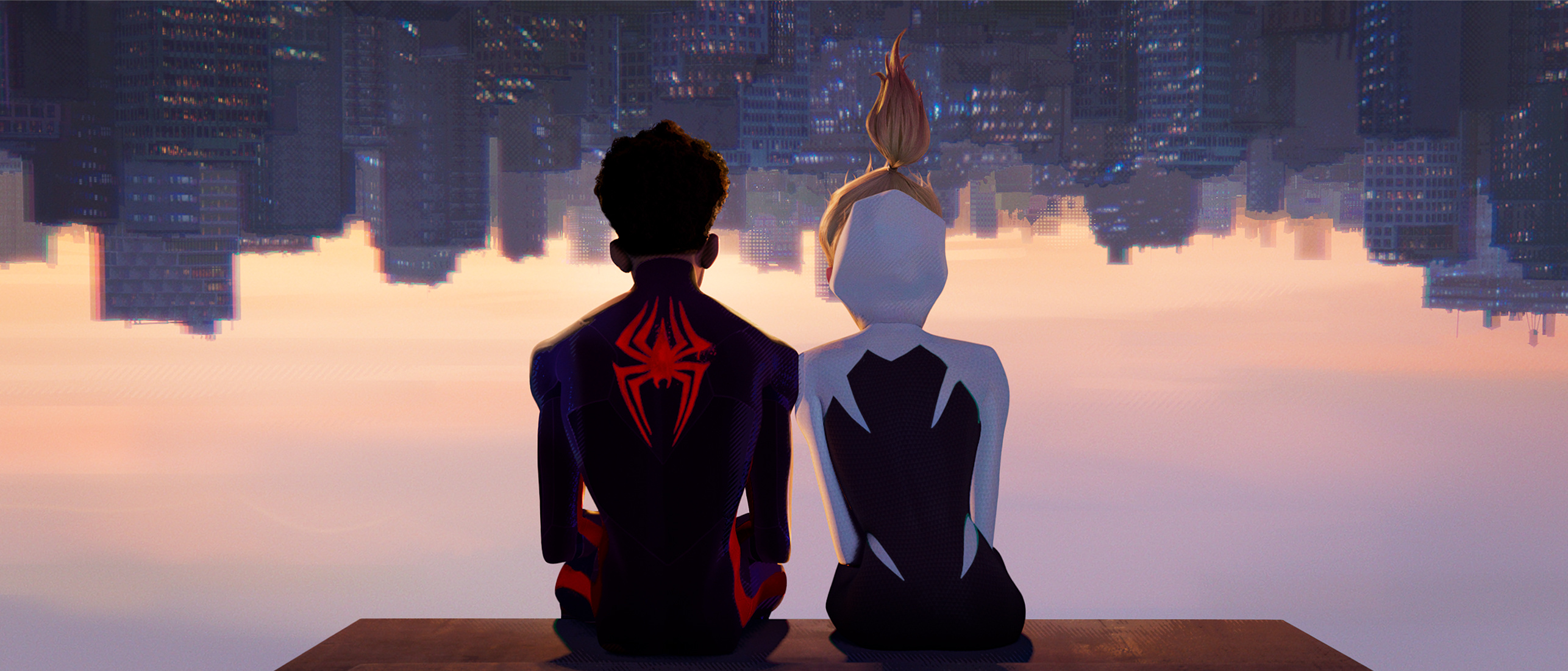
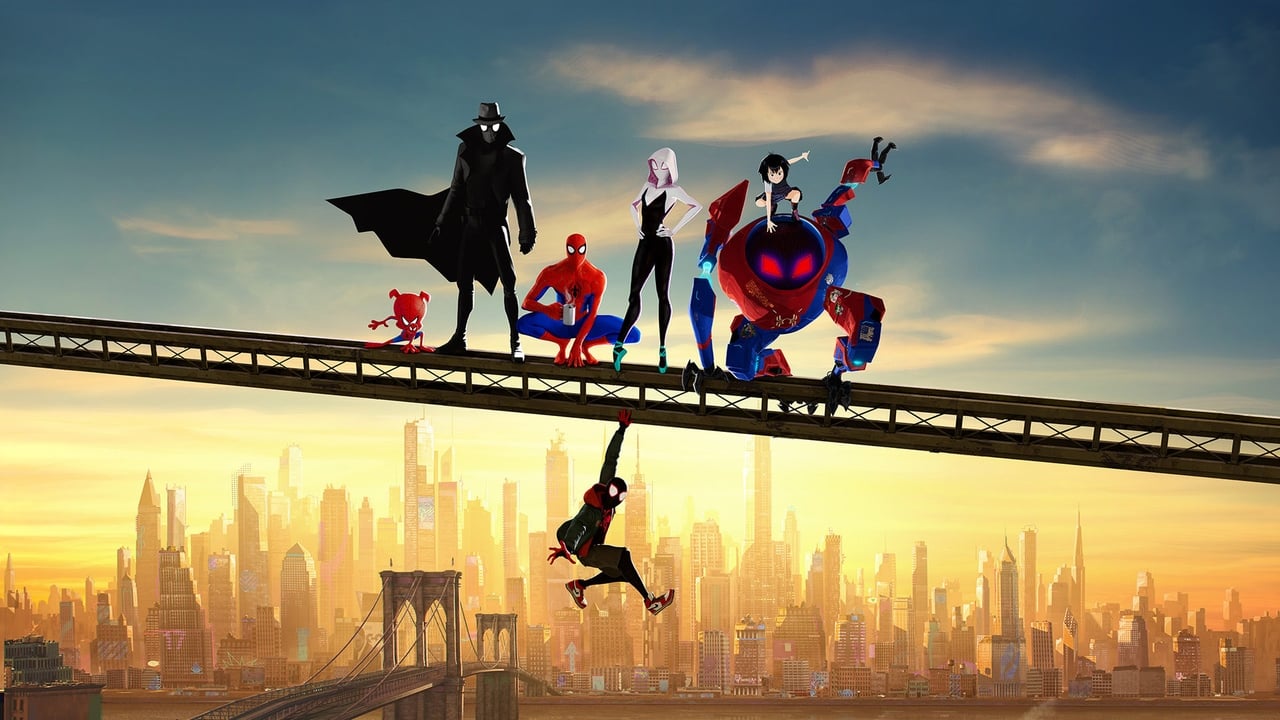
Into the Spider-Verse is a pinnacle movie that shook up the animation industry in the West so significantly that you can mark before and after Spider-Verse in animation history.
In the early 2010s, 3D animation really found its stride. Around the time of Toy Story 3, Pixar solidified its style and animation prowess creating visually striking 3D images. Likewise the other Western 3D animation studios each kept making movies that locked down their style and technique: How to Train your Dragon, Cloudy with a Chance of Meatballs, Despicable Me, etc. The years go on and the movies start to become more of the same. The style starts to meld together and the studios’ work starts to look similar. The advancements in art plateau with movies like Despicable Me 3, The Boss Baby, and Incredibles 2. All the studios built a pipeline for animation and couldn’t change. There was no experimentation in the industry because it is risky and expensive. Then Spider-Verse swings onto the scene.
Early art direction was led by Alberto Mielgo who is an accomplished director, art director, animator, and painter. To quote Mielgo: “My main goal at first was to explore the world, the comics, the past of Spider-Man, the cinematography, the language, the style, the possibilities. To set the most amazing thing ever, basically.” He was allowed to hire a team of his favourite artists, was given trips to New York to explore locations, and his own Spider-Man suit for reference. Mielgo’s intent was to shake things up and break the normal well-polished animation pipeline that has been held as a standard. He combined 2D dimension drawings with 3D animation assets, which became the signature style of the movie. On top of that, the team consistently made visual references to the comics using things like the speed lines, the Ben-Day dots, and the many stylized comic book elements highlighting actions or internal thoughts. Unfortunately, Mielgo was let go from Sony Pictures Animation due to an unknown disagreement. But much of his work was carried forward and the legacy of Mielgo’s work continues.
Into the Spider-Verse proved that experimental 3D animation was worthwhile. Viewers loved this movie and continue to flock to this refreshing style of animation. Largely, because the visuals were so unique to anything else coming out of western animation. Because of Spider-Verse we got to see The Mitchells vs. the Machines and K-Pop Demon Hunters both from Sony. Or movies like: Klaus, The Wild Robot, Entergalactic, Teenage Mutant Ninja Turtles: Mutant Mayhem, and Arcane (though, this is a TV show. Still felt important to include). For the impact alone, Into the Spider-Verse is an incredible movie. Not to mention its beautiful story about identity and belonging and its kick-ass soundtrack.


.jpg?bwg=1547293940)



.jpg?bwg=1547383619)
.jpg?bwg=1547470964)


.jpg?bwg=1547480992)

.jpg?bwg=1547222787)

.jpg?bwg=1547234460)
.jpg?bwg=1547222422)
.jpg?bwg=1547239834)
.jpg?bwg=1547215440)
.jpg?bwg=1547463350)
.jpg?bwg=1547478126)

.jpg?bwg=1547381814)
.jpg?bwg=1547229581)